


Designing Workspaces That Encourage Creativity
Megan Gray August 18, 2025
Creativity has become one of the most valuable currencies in the business world. Companies are realizing that innovation doesn’t just happen—it thrives in environments specifically designed to support it. The idea of designing workspaces that encourage creativity is no longer just about aesthetics. It’s about creating physical and digital spaces that empower employees to think freely, collaborate effectively, and generate ideas that fuel business growth.
In 2025, the discussion around workspace design is rapidly evolving. Businesses are shifting away from outdated cubicle models or overly rigid open-floor plans. Instead, they are embracing hybrid work ecosystems, wellness-focused designs, and flexible environments that cater to different working styles. Let’s explore the latest trends shaping this movement and how companies can strategically design their workspaces to spark creativity.
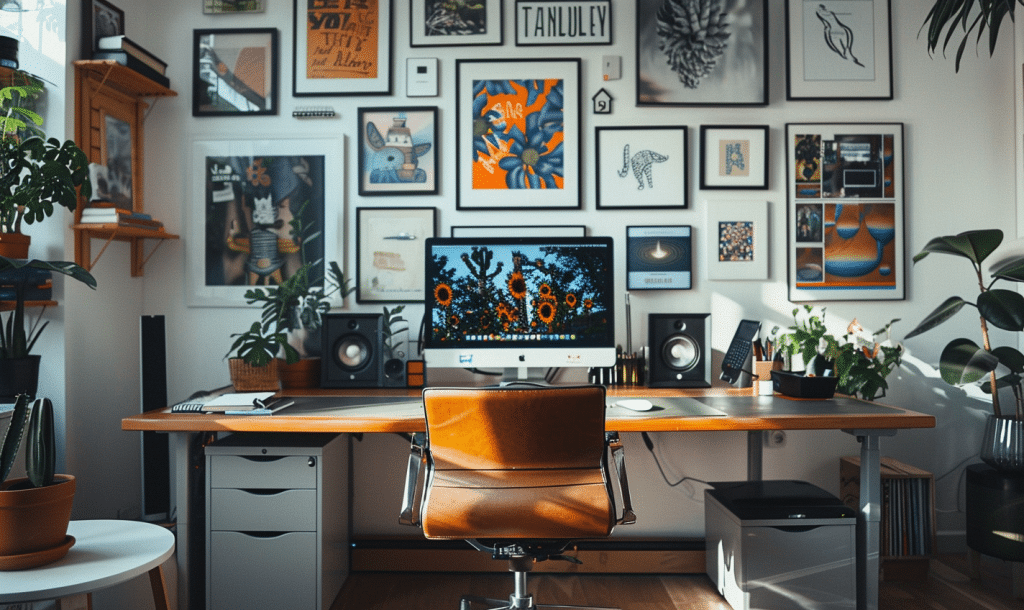
Why Creativity-Centered Workspaces Matter
For years, organizations focused primarily on efficiency and productivity metrics. But research shows that creativity directly impacts business success:
- A 2023 Deloitte report highlighted that companies prioritizing creativity outperform competitors in revenue growth and market share.
- Adobe’s State of Create report found that 82% of workers believe companies that invest in creative environments drive greater innovation.
- A study in the Harvard Business Review revealed that employees in well-designed workspaces report higher job satisfaction, engagement, and willingness to contribute new ideas.
In short, designing workspaces that encourage creativity isn’t just a perk—it’s a business strategy.
Key Trends in Designing Workspaces That Encourage Creativity
1. Hybrid-First Design
The pandemic permanently changed how people view office spaces. Hybrid work models are now the norm for many industries, and office design reflects this shift. Instead of desks for every employee, businesses are creating collaboration hubs where teams come together for brainstorming, workshops, and social connection.
Key features include:
- Hot-desking systems for flexibility.
- Technology-integrated meeting rooms for seamless remote collaboration.
- Breakout zones that inspire informal idea-sharing.
This shift allows offices to function less like factories of output and more like creativity labs where employees gather to spark innovation.
2. Biophilic and Wellness-Oriented Design
One of the biggest emerging trends is biophilic design—the integration of natural elements into workspaces. From indoor greenery to natural light and water features, these spaces are scientifically proven to reduce stress and enhance cognitive function.
In fact, a 2024 study published in Journal of Environmental Psychology found that employees exposed to natural elements in the workplace were 15% more creative than those in traditional office settings.
Practical applications include:
- Large windows for natural light.
- Living plant walls and indoor gardens.
- Adjustable standing desks to promote movement.
- Quiet wellness rooms for mindfulness or short breaks.
When employees feel physically and mentally supported, creativity flows more naturally.
3. Spaces for Both Focus and Collaboration
Creativity is not a one-size-fits-all process. Some employees need quiet spaces to think deeply, while others thrive in lively collaborative settings. The emerging trend is activity-based working (ABW), where offices are designed with different zones tailored to specific needs.
For example:
- Focus pods for uninterrupted individual work.
- Collaboration zones for brainstorming sessions.
- Social spaces like lounges or cafés for casual idea exchanges.
- Makerspaces or prototype rooms for hands-on creative work.
By offering variety, companies empower employees to choose the environment that best supports their creative process.
4. Technology as a Creative Enabler
Modern creative workspaces are not just physical—they are digital ecosystems. Tools like virtual whiteboards, immersive VR brainstorming environments, and AI-driven productivity apps are reshaping how teams collaborate.
Trends to watch:
- Augmented Reality (AR) design rooms where teams can visualize projects in 3D.
- AI-powered idea boards that suggest connections between different concepts.
- Smart office systems that adjust lighting, sound, and temperature for optimal focus.
Technology is no longer just about efficiency—it’s being used to spark and support creativity.
5. Personalization and Employee Choice
Companies are moving away from rigid, “one-size-fits-all” office layouts. Instead, they’re allowing employees to personalize their work areas or choose the type of environment that suits them best. This could mean giving employees the freedom to select furniture arrangements, customize their digital tools, or even decide whether they want to work in-office, remote, or hybrid.
Giving employees agency fosters a sense of ownership, which has been directly linked to higher levels of creative thinking.
6. Sustainability and Purpose-Driven Design
Sustainability is no longer just a corporate responsibility—it’s a workplace design trend influencing creativity. Offices designed with eco-friendly materials, energy-efficient systems, and sustainable furniture reflect a company’s values while creating a sense of purpose for employees.
Working in an environment aligned with broader social values encourages employees to think about long-term impact, which naturally fosters more innovative solutions.
Practical Guide: How Businesses Can Design Workspaces That Encourage Creativity
For organizations ready to take action, here are some practical strategies to implement:
- Audit Current Workspaces
- Identify which areas foster creativity and which hinder it.
- Gather employee feedback on preferred work environments.
- Incorporate Flexible Design
- Create multi-use spaces that can shift between individual and group work.
- Invest in modular furniture for adaptability.
- Prioritize Natural Light and Greenery
- Position work areas near windows.
- Add indoor plants that improve air quality and mood.
- Invest in Technology That Sparks Creativity
- Provide digital collaboration tools for hybrid teams.
- Explore VR/AR for creative industries.
- Balance Collaboration and Quiet Zones
- Offer enclosed pods for deep focus.
- Build open collaboration hubs for brainstorming.
- Encourage Movement and Informal Connections
- Add standing meeting areas.
- Create lounges or café-style spaces for casual idea-sharing.
- Promote Inclusivity and Personalization
- Allow employees to customize their workspace.
- Design spaces with accessibility in mind.
The Future of Creative Workspaces
As the workplace continues to evolve, one thing remains clear: creativity is a business driver. Designing workspaces that encourage creativity is not just about keeping employees happy—it’s about building environments where new ideas thrive and innovation becomes second nature.
The future will likely see even more integration between physical and digital spaces, with AI and immersive technologies becoming standard tools for brainstorming and problem-solving. At the same time, wellness and sustainability will remain central, ensuring that employees feel both inspired and supported.
For businesses, investing in these trends isn’t just about aesthetics. It’s about shaping a culture where creativity is encouraged, ideas are valued, and innovation fuels long-term success.
References
- Adobe. (2023). State of Create 2023. Available at: https://www.adobe.com (Accessed: 18 August 2025).
- Deloitte. (2023). Creativity as a business advantage. Available at: https://www2.deloitte.com (Accessed: 18 August 2025).
- Journal of Environmental Psychology. (2024). Effects of biophilic design on workplace creativity and well-being. Available at: https://www.journals.elsevier.com (Accessed: 18 August 2025).

 Financial Planning for College Students