

Easy Ways You Can Transform Your Living Space
Jessica White December 1, 2025
Curious how to make your home feel more inviting and stylish? This easy-to-skim guide explores practical design ideas, affordable decor strategies, and lifestyle upgrades you can try with minimal effort. Discover simple steps that let your personal style shine—without major renovations or stress!

Why Your Home Environment Impacts Mood and Wellbeing
A living space does far more than provide shelter. It shapes habits, influences energy, and even plays a role in your daily mood. The interior design, color palette, and organization of a room can either inspire calm or cause tension. Experts suggest that exposure to clutter may elevate stress levels, contributing to a feeling of being overwhelmed (Source: https://www.mayoclinic.org/healthy-lifestyle/stress-management/in-depth/stress/art-20046037). On the flip side, a thoughtfully curated home filled with natural light and comforting textures supports a more positive state of mind. Small tweaks in your environment can set off a ripple effect, enhancing relaxation and encouraging mindfulness during your daily routine.
The impact of a cozy or visually appealing home can also extend to relationships. Shared spaces that feel welcoming tend to nurture openness and connection among family members or guests. Subtle changes—like adding greenery, rearranging furniture, or clearing pathways—can instantly boost the atmosphere. Some studies even highlight a link between indoor plants and improved emotional well-being, showing how affordable lifestyle upgrades yield real mental health benefits (Source: https://www.ncbi.nlm.nih.gov/pmc/articles/PMC4419447/).
Environmental psychology teaches that most people underestimate the effect their surroundings have on behavior. From the shades on your walls to the artwork you display, your living space silently shapes habits and feelings. A refreshed room, for instance, can make it easier to focus on self-care or even improve sleep quality simply by reducing overstimulation. By understanding these subtle influences, you gain the power to create a home that supports relaxation, creativity, and joy—all with manageable effort.
Decluttering: The Secret to Instant Transformation
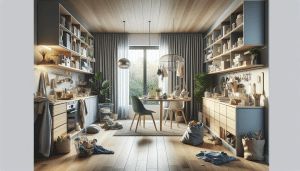
Decluttering is widely recognized as a transformative practice for both space and mind. Studies point out that people surrounded by excessive clutter tend to experience more stress and struggle to relax after work (Source: https://www.nap.edu/read/12639/chapter/13). The process doesn’t have to be daunting. Start with a manageable area: a single drawer or shelf. Keeping only what serves a real purpose or brings joy can be surprisingly freeing. Many discover a clear correlation between physical order and mental clarity—one leading to the other in a gentle loop.
Practical tips for starting the decluttering journey include tackling small zones (like coffee tables or bedside stands), using baskets for storage, or assigning a home for every loose item. This can stop clutter from returning. Digital tools or printed checklists can provide motivation. Some people find success using the 12-12-12 challenge: identifying twelve items to throw out, twelve to donate, and twelve to neatly put away. As each surface is cleared, the transformation is both visual and emotional—room to breathe, less visual noise, and newfound simplicity invite relaxation.
Decluttering isn’t just about removal. It’s an active process of rediscovery. Forgotten treasures emerge from drawers; new inspiration comes from freshly found empty space. Over time, this approach makes it simpler to sustain organization, and fosters a sense of pride in your home. Even if progress is slow, every tidy corner turns into a micro-haven of peace, showing that lifestyle transformation can start with just a few thoughtful choices.
Easy Decor Ideas That Instantly Change the Look
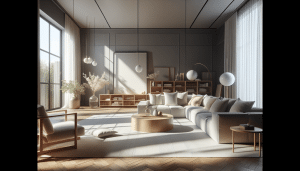
Sometimes, it only takes a few smart tweaks to refresh your living space. Swapping out pillow covers, laying a colorful rug, or introducing a unique lamp can dramatically affect the mood of a room. Color psychology shows that cool blues and greens often bring calm, while yellows or oranges can energize an otherwise dull space (Source: https://www.ncbi.nlm.nih.gov/pmc/articles/PMC7281518/). Textiles—like throws and curtains—add warmth and texture, making interiors feel welcoming without needing major renovations. Even small accents, such as decorative trays or candle clusters, can enhance your style and inject personality into a blank space.
Lighting is another powerful—and often underestimated—tool for transformation. Layered lighting (combining ambient, task, and accent sources) makes spaces feel dynamic and adaptable. Twinkle lights or strategically placed floor lamps can soften harsh corners. Natural light, too, has been linked to improved mood and productivity (Source: https://www.ncbi.nlm.nih.gov/pmc/articles/PMC8211384/). Arrange window treatments to let in sunlight, or add mirrors opposite windows to amplify the effect. These shifts won’t just brighten rooms—they’ll energize everyone inside.
Artwork offers another accessible way to bring life to walls. Affordable prints, family photos in cohesive frames, or DIY art add interest and a sense of history. Don’t be afraid to rotate pieces throughout the year to keep things fresh. Floating shelves enable easy rearrangement, while gallery walls tell visual stories. Ultimately, understanding design principles—balance, contrast, and focal points—can empower anyone to curate appealing rooms on any budget, making major lifestyle upgrades feel attainable.
Personal Touches: Making Your Space Yours
The most memorable spaces reflect the people who inhabit them. Personal touches—family heirlooms, handmade crafts, collections from travels—infuse character and warmth into everyday rooms. Lifestyle upgrades happen when you allow your story to shine through decor. Framed mementos or whimsical trinkets spark conversation and inspiration, turning any home into a sanctuary. These additions work especially well in entryways, living rooms, and bedrooms, creating links to fond memories or aspirations.
Customizing a space doesn’t need to be expensive. Repurposing old furniture, arranging books by color, or painting one wall with a bold accent shade can all help. Upcycled finds and vintage pieces blend history with creativity. These sustainable choices align with growing trends toward eco-friendly living and conscious consumption (Source: https://www.epa.gov/smm/sustainable-management-materials-home). Adding different textures—knitted blankets, natural wood, sleek ceramics—keeps things interesting while providing sensory comfort.
Seasonal shifts offer another reason to refresh personal touches. Swapping linens or art with the weather, displaying fresh flowers, or introducing mood-boosting scents like lavender or citrus can recast a room’s energy. This welcome flexibility lets your space grow alongside your interests. Embracing personal style encourages self-expression, ensuring your home becomes a unique reflection of who you are and how you love to live.
Creating Calm: Mindful Spaces and Stress-Free Zones
Modern lifestyles can feel hectic, so transforming a part of your home into a stress-free zone is invaluable. Mindful spaces—like reading nooks or meditation corners—help foster healthy daily routines. A cozy chair, soft blanket, and gentle lighting combine into peaceful retreats where you can recharge. Studies have confirmed that spaces designed for relaxation aid in lowering blood pressure, promoting focus, and supporting emotional wellness (Source: https://www.psychologytoday.com/us/blog/urban-survival/202003/why-we-need-our-havens-now-more-ever).
To establish your own oasis, identify a quiet spot and clear away distractions. Layering natural materials, using calming colors, and introducing gentle sounds—like a water fountain or nature playlist—help build serenity. Adding plants both purifies air and connects interiors to nature, which research shows is linked to reduced anxiety and improved cognitive performance. Even a single peaceful corner can create a ripple effect, encouraging restful habits throughout the home.
Carving out mindful zones is especially helpful for those working from home or managing busy schedules. Simple additions, such as a gratitude journal or inspirational artwork, encourage positive thinking and reflection. These spaces grow more valuable with use, becoming reliable refuges when life gets chaotic. Prioritizing mental wellness through thoughtful design turns lifestyle goals into practical, daily routines, enhancing quality of life without major investments.
Easy Upgrades for Entertaining and Everyday Enjoyment
Spaces designed for everyday comfort often double as perfect settings for entertaining friends and family. Open layouts or modular furniture make gatherings more fluid, allowing rooms to adapt for different occasions. Smart, affordable upgrades—like portable bar carts, multipurpose ottomans, or even a simple coffee station—can boost hospitality without overwhelming your budget. Creating small vignettes, such as a snack table or board game area, invites interaction and fun.
Outdoor living spaces deserve attention, too. Small balconies or patios can become private retreats with the addition of comfy seating, outdoor rugs, or string lighting. Community gardening and DIY projects add personal flair and encourage time spent outside. Research highlights that social connection and time outdoors are vital for emotional health (Source: https://www.ncbi.nlm.nih.gov/pmc/articles/PMC6061147/). Weather-permitting, easy-to-clean cushions and stackable chairs keep things flexible for guests or solo relaxation alike.
Celebrating milestones or simply enjoying everyday moments becomes easier with spaces intentionally designed for shared use. Rotating seasonal accents, using serving trays, or displaying a simple bouquet makes gatherings feel special. With a little creativity and know-how, you can host memorable get-togethers—or savor a peaceful afternoon alone—without massive effort. These upgrades prove that lifestyle improvements can be fun, flexible, and well within reach for every household.
References
1. Mayo Clinic Staff. (n.d.). Stress management: Cleaning away clutter. Retrieved from https://www.mayoclinic.org/healthy-lifestyle/stress-management/in-depth/stress/art-20046037
2. Bringslimark, T., Hartig, T., & Patil, G. G. (2009). The psychological benefits of indoor plants: A critical review of the experimental literature. Retrieved from https://www.ncbi.nlm.nih.gov/pmc/articles/PMC4419447/
3. National Academies of Sciences, Engineering, and Medicine. (2009). The importance of clutter control. In A Population-Based Policy and Systems Change Approach to Prevent and Control Hypertension. Retrieved from https://www.nap.edu/read/12639/chapter/13
4. Wang, Q., & Li, Q. (2020). Color and psychological functioning: A review of theoretical and empirical work. Retrieved from https://www.ncbi.nlm.nih.gov/pmc/articles/PMC7281518/
5. U.S. Environmental Protection Agency. (n.d.). Sustainable management of materials at home. Retrieved from https://www.epa.gov/smm/sustainable-management-materials-home
6. Liberman, J. (2020). Why we need our havens now more than ever. Psychology Today. Retrieved from https://www.psychologytoday.com/us/blog/urban-survival/202003/why-we-need-our-havens-now-more-ever

 You Could Experience Unforgettable Eco Travel Adventures