

Designing Home Interiors That Feel Open and Inviting
Jessica White August 15, 2025
In today’s fast-paced world, the idea of home has evolved beyond just a place to live; it is now a sanctuary where we seek comfort, relaxation, and peace. One way to achieve this balance is by designing spaces that feel open, welcoming, and functional. Minimalist interior design has grown in popularity as it focuses on the beauty of simplicity, creating serene environments that help maximize space and calm the mind.
Minimalism is not just about cutting out items; it’s about carefully selecting pieces that serve a purpose and contribute to the overall harmony of the space. If you’ve ever wanted a home that feels spacious and cozy at the same time, minimalist design may be the perfect solution. In this article, we’ll explore how minimalist design trends can help you achieve an open and inviting home interior that is both beautiful and functional.
1. Embrace Minimalism: Less Is More
The Core of Minimalism:
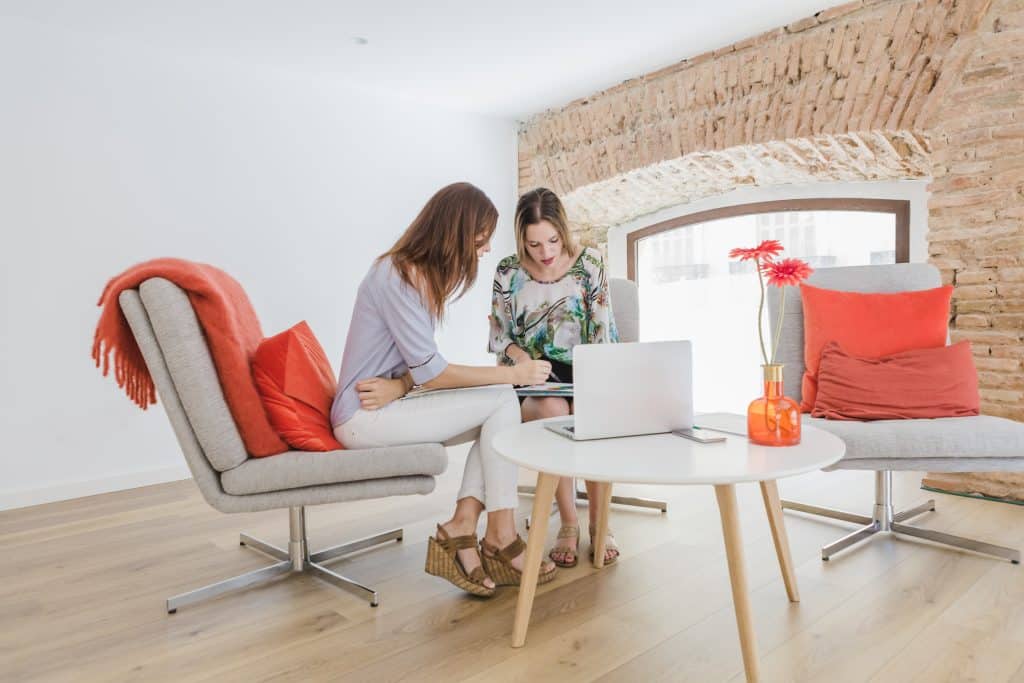
Minimalism is about paring down to the essentials, creating a space that feels open, uncluttered, and calm. When it comes to designing open and inviting home interiors, less is often more. Minimalist design focuses on clean lines, open spaces, and functional furniture that isn’t overly adorned.
Open Floor Plans:
One of the key elements of minimalist design is the open floor plan. Traditional home layouts often break spaces up into separate rooms, making the home feel smaller and more closed off. With an open floor plan, there are fewer walls, which allows natural light to flow freely and makes the space feel much larger. This design feature is especially beneficial in smaller homes or apartments where maximizing space is important.
Neutral Color Palettes:
Neutral colors such as whites, light grays, and beige tones are the foundation of minimalist design. These shades reflect light, making the space feel larger and brighter. A neutral color scheme can create a calm, peaceful atmosphere that invites relaxation. While it may sound dull, this color palette is anything but boring when combined with textures and carefully chosen accent pieces.
Creating a Calm and Airy Environment:
By embracing minimalist design, you can turn your home into a sanctuary, a place where your mind can unwind and recharge. The absence of clutter promotes mental clarity, and the simple beauty of the space enhances a sense of tranquility.
Source: According to a report from Architectural Digest, minimalist design principles are particularly effective in homes with limited square footage.
2. Let Natural Light In
Maximizing Natural Light:
Light plays a vital role in creating a spacious, airy home. Natural light has the power to make even the smallest spaces feel expansive. Large windows, sliding glass doors, and strategically placed mirrors reflect light throughout the room, brightening dark corners and visually expanding the space.
Smart Window Treatments:
The right window treatments are essential in achieving a minimalist look. Opt for sheer curtains or blinds that allow ample light to flood into the space while still providing privacy. Avoid heavy, opaque drapes that can make a room feel closed off. In addition, consider using oversized windows or glass doors to connect the indoor space with the outdoors, which enhances the feeling of openness.
Artificial Lighting:
While natural light is ideal, not every room will have access to it. In those cases, artificial lighting becomes crucial. Use recessed lighting or track lighting to provide soft, ambient light that won’t overwhelm the space. Avoid harsh overhead lights and instead opt for light fixtures that are simple and sleek in design. Lamps with soft, diffused light can also create a cozy atmosphere while maintaining a minimalist aesthetic.
Source: Home experts suggest that the right balance of natural and artificial lighting can improve both the aesthetics and functionality of minimalist interiors.
3. Simple Furniture with Multi-functional Purpose
Choosing Functional Furniture:
Minimalist design is all about efficiency and practicality, which is why multi-functional furniture is key. Pieces that serve more than one purpose allow you to maximize space while reducing the need for excess furniture. For example, a sofa bed can provide extra sleeping space for guests, while a coffee table with built-in storage can help you keep items like books, remote controls, and magazines neatly tucked away.
Avoiding Overly Ornate Designs:
Minimalist furniture pieces are characterized by clean, simple lines. Avoid ornate or overly intricate designs that can make the space feel cluttered. Instead, opt for furniture with a sleek and modern appearance. Choose pieces made from natural materials like wood or metal to keep the space feeling grounded and timeless.
Modular Furniture:
Modular furniture allows you to easily rearrange the layout of a room, giving you flexibility while maintaining an organized look. Modular shelving units, for example, can be expanded or contracted to suit your needs, and modular couches can be adjusted to fit different room layouts.
4. Incorporating Natural Materials and Textures
Wood, Stone, and Other Natural Materials:
While the minimalist design may focus on a neutral color palette, it can still be full of character through the use of natural materials. Wood, stone, and metals bring an organic touch to minimalist interiors. A wooden accent wall, stone fireplace, or bamboo flooring can create a grounding effect in the space, making it feel warm and inviting.
Textural Contrast:
In a minimalist home, texture becomes an important tool for creating interest. While the color palette may remain neutral, combining different textures can add depth to the space. Linen cushions, woolen throws, or a textured rug can create tactile variety while remaining subtle. Textural contrast makes the space feel cozy and inviting without overwhelming it visually.
Source: Research by Elle Décor shows that natural materials can make spaces feel more grounded and harmonious.
5. Open Storage Solutions
Declutter With Smart Storage:
One of the biggest challenges of minimalist living is maintaining a clutter-free environment. To help with this, incorporate open shelving and hidden storage solutions into your design. Floating shelves allow you to display decorative items and books while keeping the space visually light. However, be mindful of keeping these areas organized—too many items on open shelves can create visual clutter.
Hidden Storage:
Investing in clever storage options can help keep the minimalist aesthetic intact. Consider furniture pieces that have hidden storage, such as a bed with drawers underneath or a coffee table with a lift-top for hidden compartments. These solutions are especially useful for small spaces where storage is limited.
6. Bring the Outdoors In
Indoor Plants:
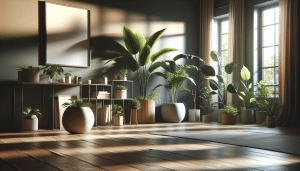
A minimalist home doesn’t have to feel sterile or lifeless. Adding plants is a simple way to introduce vibrancy and warmth to the space. Choose low-maintenance plants that thrive indoors, such as succulents, ferns, or peace lilies. Plants not only improve the air quality but also create a calming atmosphere that enhances the natural feel of the design.
Natural Views:
If you’re lucky enough to have a great view, make sure it’s part of the interior design. Arrange furniture to face large windows that overlook a garden, lake, or cityscape. Even if the view isn’t particularly impressive, the act of connecting your space to the outdoors through well-placed windows will make it feel more open and connected to nature.
Conclusion:
Incorporating minimalist design into your home is not about eliminating personal style or comfort; it’s about focusing on what truly matters. By carefully choosing pieces that are functional, integrating natural light, and incorporating natural materials, you can transform your space into an open and inviting home. Minimalism offers the opportunity to declutter your life and surroundings, creating a peaceful retreat that feels both expansive and cozy.
As minimalist design continues to evolve, these trends offer timeless, practical solutions for creating interiors that are not only beautiful but also highly functional. Whether you’re working with a small apartment or a spacious house, these minimalist techniques can help you maximize every square inch of your home while maintaining a sense of warmth and tranquility.
References
- Architectural Digest. (n.d.). Minimalist design principles: How to create an open and airy home. Available at: https://www.architecturaldigest.com (Accessed: 15 August 2025).
- Elle Décor. (2024). How natural materials transform minimalist home interiors. Available at: https://www.elledecor.com (Accessed: 15 August 2025).
- Home Design Magazine. (2023). Maximizing natural light in your minimalist home. Available at: https://www.homedesignmag.com (Accessed: 15 August 2025).

 Exploring Innovative Approaches to Education